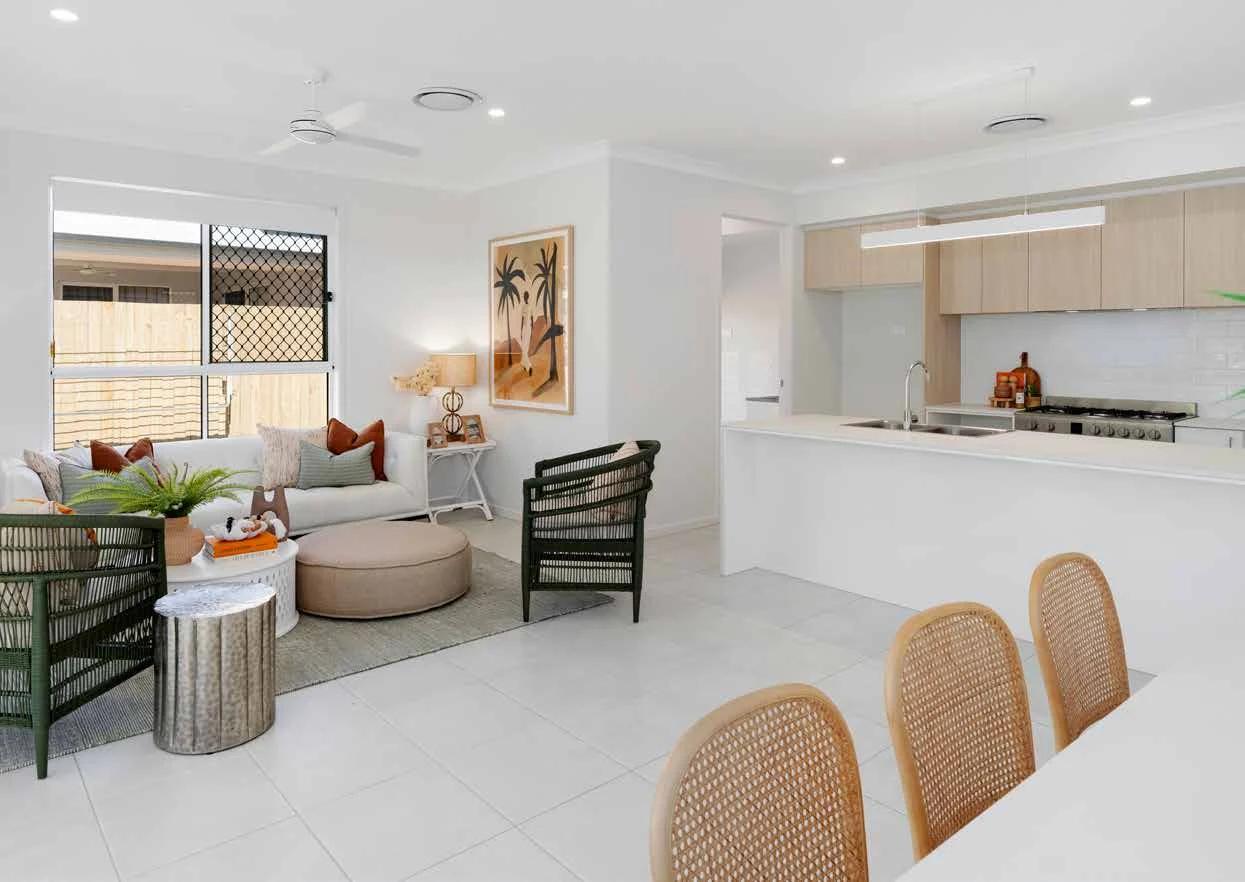
Designer interior open-plan living and premium finishes
Division 43 vs Division 40: The Two Pillars of Property Tax Depreciation
Property tax depreciation is one of the most effective non-cash deductions available to Australian property investors, allowing owners to offset property construction and asset wear against their taxable income. Under the Income Tax Assessment Act 1997 (ITAA 1997), depreciation is split into two distinct categories: Division 43 (Capital Works) and Division 40 (Plant and Equipment). Understanding the operational mechanisms and deduction rates of each division is essential for maximising after-tax cash flows.
Division 43: Capital Works Deductions (Building Fabric)
Division 43 relates to the permanent structural elements of a residential building. This encompasses the foundational concrete, brickwork, load-bearing walls, roofing, waterproofing membranes, tiles, and permanent timber flooring.
- Deduction Rate: For residential properties constructed after 15 September 1987, the ATO permits a flat deduction rate of 2.5% per annum over 40 years from the date of completion.
- Calculation Basis: Deductions are calculated against the historical construction cost of the building structure, excluding the underlying land value.
- Common Property Share: In a strata titled building, an investor can also claim their proportionate share of capital works across common foyers, lift wells, swimming pool structures, and basement parking.
Division 40: Plant and Equipment Deductions (Removable Assets)
Division 40 governs mechanical, electrical, and easily removable fixtures and fittings within a residence. Unlike the building structure, these assets have shorter lifespans and depreciate at significantly faster rates based on effective life guidelines published by the ATO.
Key items classified under Division 40 include:
- Air conditioning condenser and split system units.
- Kitchen appliances, including ovens, induction cooktops, dishwashers, and rangehoods.
- Carpets, window blinds, curtains, and light fittings.
- Hot water systems and smart home automation technology.
Depreciation Methods: Diminishing Value vs Prime Cost
When calculating Division 40 deductions, investors choose between two calculation methods in consultation with their quantity surveyor:
- Diminishing Value Method: Delivers higher, front-loaded deductions in the initial years of ownership by applying a higher percentage to the declining asset value.
- Prime Cost Method: Spreads deductions evenly across the recognised effective life of each asset, offering predictable, constant deductions over time.
Brand-new prestige developments deliver substantial first-year deductions. Explore Broadbeach residences or inspect waterfront options to review full schedule projections through BARTA Property.
Capital Gains Tax (CGT) Implications Upon Sale
It is vital to note that claiming Division 43 deductions reduces the cost base of your property for Capital Gains Tax calculations upon ultimate disposal. However, because investors typically hold assets for longer horizons and benefit from the 50% CGT general discount (for individual ownership exceeding 12 months), the immediate annual cash flow benefits substantially outweigh future CGT impacts. Calculate after-tax cash flows using BARTA Property finance tools.
Frequently Asked Questions
What is the difference between Division 43 and Division 40?
Division 43 applies to the permanent structural building envelope (deducted at 2.5% per annum over 40 years). Division 40 applies to removable mechanical fixtures, appliances, and carpets (deducted rapidly over their effective life).
Why do brand-new properties have a huge depreciation advantage?
Following 2017 tax reforms, investors can only claim Division 40 plant and equipment depreciation on brand-new properties. Second-hand established properties forfeit these deductions unless renovated directly by the owner.
How does claiming Division 43 affect Capital Gains Tax (CGT)?
Division 43 deductions claimed over your ownership period reduce the property's cost base when you sell, increasing taxable capital gain. However, the 50% CGT discount still applies to individual owners holding for over 12 months.
Can I choose between Diminishing Value and Prime Cost methods?
Yes. Your quantity surveyor will model both methods. Diminishing Value maximizes immediate deductions in the first 3 to 5 years, while Prime Cost provides consistent, equal deductions each year.
Can I claim depreciation on common property in an apartment tower?
Yes. Strata apartment owners can claim their lot entitlement percentage on common property capital works (foyers, pools, gymnasiums, lifts) and common plant equipment.

Jayden Barta
BARTA Property • Gold Coast & Brisbane
Specialising in prestige developments, off-the-plan apartments, and residential projects across South East Queensland.


