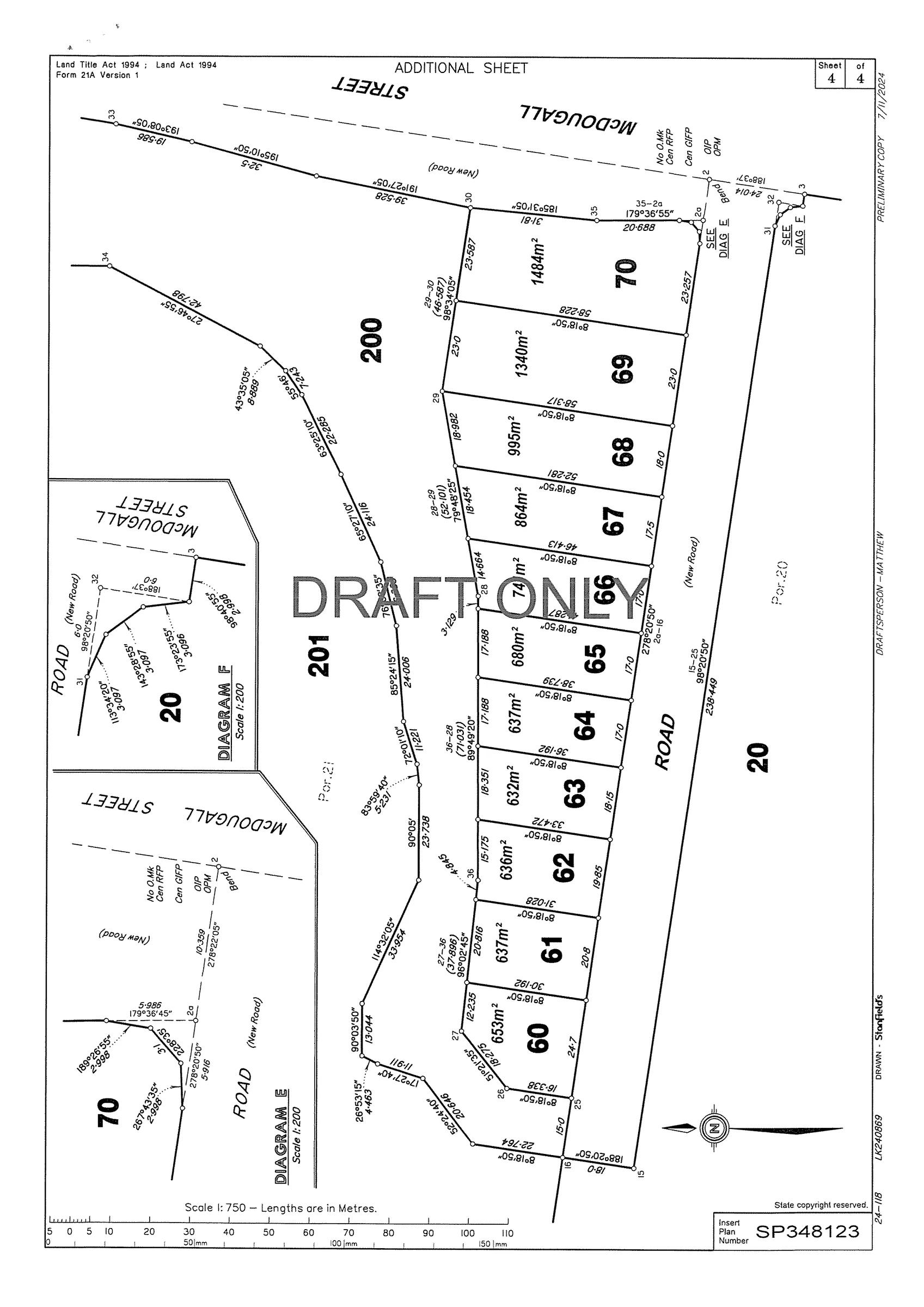
Architectural masterplan and building disclosure plans
The Statutory Warranty Framework in Queensland
When purchasing a brand new residential property or off-the-plan apartment in Queensland, buyers are protected by a comprehensive statutory insurance and warranty framework. Administered by the Queensland Building and Construction Commission (QBCC) under the Queensland Building and Construction Commission Act 1991, this regime ensures builders remain legally accountable for workmanship and structural integrity.
Unlike secondary consumer warranties that can be restricted by contractual fine print, QBCC statutory warranties are non-negotiable legal rights. They protect purchasers against latent defects that emerge well after settlement day. Explore our collection of luxury Gold Coast residences delivered by Tier 1 builders with unblemished warranty records.
Structural Defects vs Non-Structural Items
Queensland law draws a fundamental distinction between major structural defects and minor cosmetic blemishes, assigning distinct claim timeframes to each category:
- Structural Defects (6 Years and 6 Months): Encompasses severe failures affecting building foundations, load-bearing concrete, structural columns, external waterproofing, and roof framing that compromise safety or habitability. Owners have up to six years and six months from practical completion to lodge a formal statutory claim.
- Non-Structural / Cosmetic Defects (12 Months): Covers minor settling cracks, paint flaws, cabinetry alignment, and non-critical joinery. These must typically be reported to the builder within the initial twelve-month defect liability period specified in the building contract.
The Role of the Body Corporate in Strata Schemes
In multi-unit residential schemes governed by the Body Corporate and Community Management Act 1997, common property defects represent a collective responsibility. External facades, basement carpark slabs, swimming pool membranes, and communal lifts form common property owned collectively by the body corporate.
Individual lot owners cannot lodge independent QBCC claims for common property defects; the body corporate committee must pass a formal resolution to commission an independent engineering defect audit. It is standard industry practice for proactive schemes to commission this audit between month ten and month eleven of the initial defect period, ensuring all building issues are formally served on the builder prior to warranty expiry.
Enforcing Rectification Through the QBCC
If a builder fails to rectify valid defects within a reasonable commercial timeframe, the body corporate or owner can lodge a Dispute Resolution Complaint with the QBCC. Following an on-site inspection, the QBCC can issue a formal Direction to Rectify against the builder's licence.
Failure to comply with a QBCC direction attracts severe civil penalties, demerit points, and suspension of building licences. For comprehensive guidance on evaluating development quality, speak to the BARTA Property specialist team.
Frequently Asked Questions
How long does the builder's warranty last in Queensland?
Under the QBCC Act, major structural defects are covered for six years and six months from practical completion. Non-structural and minor defects are typically covered for twelve months.
Who handles defect claims in an apartment building?
Private lot defects inside an apartment are handled by the individual owner. Defects in common property like lifts, external facades, and basements must be lodged by the body corporate.
What happens if a builder refuses to fix a defect?
Owners can lodge a complaint with the QBCC. If substantiated, the QBCC issues a legally binding Direction to Rectify. Non-compliance results in heavy fines and builder licence suspensions.
When should an apartment building conduct a defect audit?
Most proactive bodies corporate commission an independent engineering defect report at approximately ten to eleven months post-completion to capture issues before the initial warranty expires.

Jayden Barta
BARTA Property • Gold Coast & Brisbane
Specialising in prestige developments, off-the-plan apartments, and residential projects across South East Queensland.


