In this article5 sections
Understanding Queensland Transfer Duty on New Homes
State government transfer duty (commonly referred to as stamp duty) represents one of the largest transactional friction costs in Australian real estate. However, purchasers building a brand-new home in Queensland can leverage statutory contract structuring to legally reduce transfer duty liabilities by tens of thousands of dollars.
By understanding how two-part split contracts operate compared to standard single contracts on established property, buyers and investors can preserve critical capital for deposits or finishing upgrades.
The Mechanics of Two-Part Split Contracts
When purchasing an established home for $900,000, transfer duty is levied against the entire $900,000 purchase consideration, resulting in an upfront state tax bill of approximately $31,000 for standard residential buyers.
In contrast, turnkey house and land packages are almost universally executed using a two-part split structure:
- Contract 1 (Vacant Land): A standard REIQ contract for the purchase of the registered or unregistered land allotment from the land developer (e.g. $400,000).
- Contract 2 (Building Agreement): A fixed-price building contract with the approved master builder for the construction of the home (e.g. $500,000).
Because Queensland Revenue Office (QRO) transfer duty applies strictly to the conveyance of real property (the vacant land) and does not apply to services or building labour carried out after settlement, duty is calculated exclusively on the $400,000 land component. On a $400,000 land parcel, standard duty is approximately $12,425, delivering an immediate upfront tax saving of over $18,500.
First Home Buyer Concessions in Queensland
For qualifying first home buyers, the tax savings are even more dramatic. The Queensland Government provides complete transfer duty exemptions on vacant land purchases valued up to $350,000, with concessional sliding-scale rates applying up to $500,000.
This means a first home buyer securing an entry-level land parcel priced under $350,000 pays zero transfer duty whatsoever. When combined with the $30,000 First Home Owner Grant, first-time purchasers can step into a brand-new home with minimal upfront government tax friction.
Timing of Duty Payment on Unregistered Land
Another major cashflow advantage of building occurs when securing land in an unregistered stage of a masterplanned community. Under Queensland statutory rules, transfer duty on vacant land contracts is not payable until 30 days after contract unconditional status or at land settlement, whichever occurs first.
This allows buyers to lock in land prices 6 to 12 months ahead of civil registration while deferring stamp duty obligations until title registration is finalised, providing valuable time to build additional personal savings.
Current opportunities
Aire Living
Lilywood
The Hills Collection
Glenvale
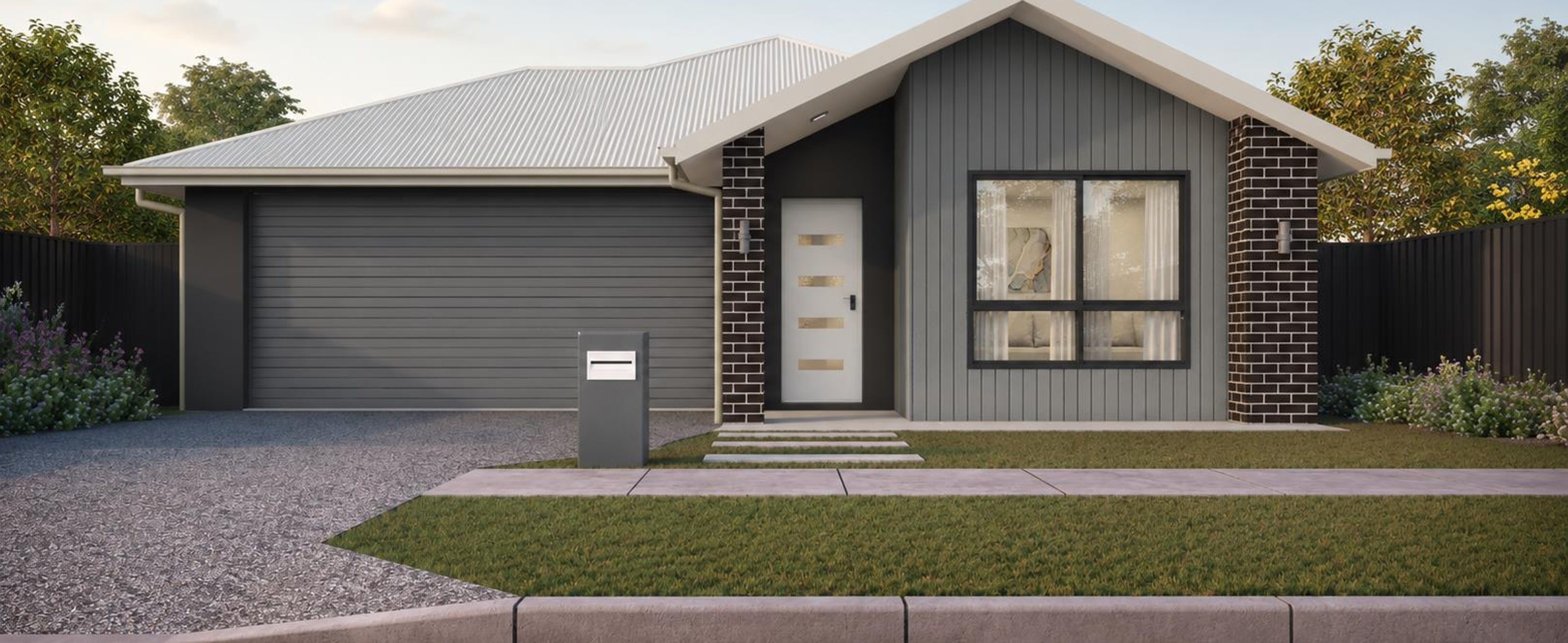
Botanic
Woolmer
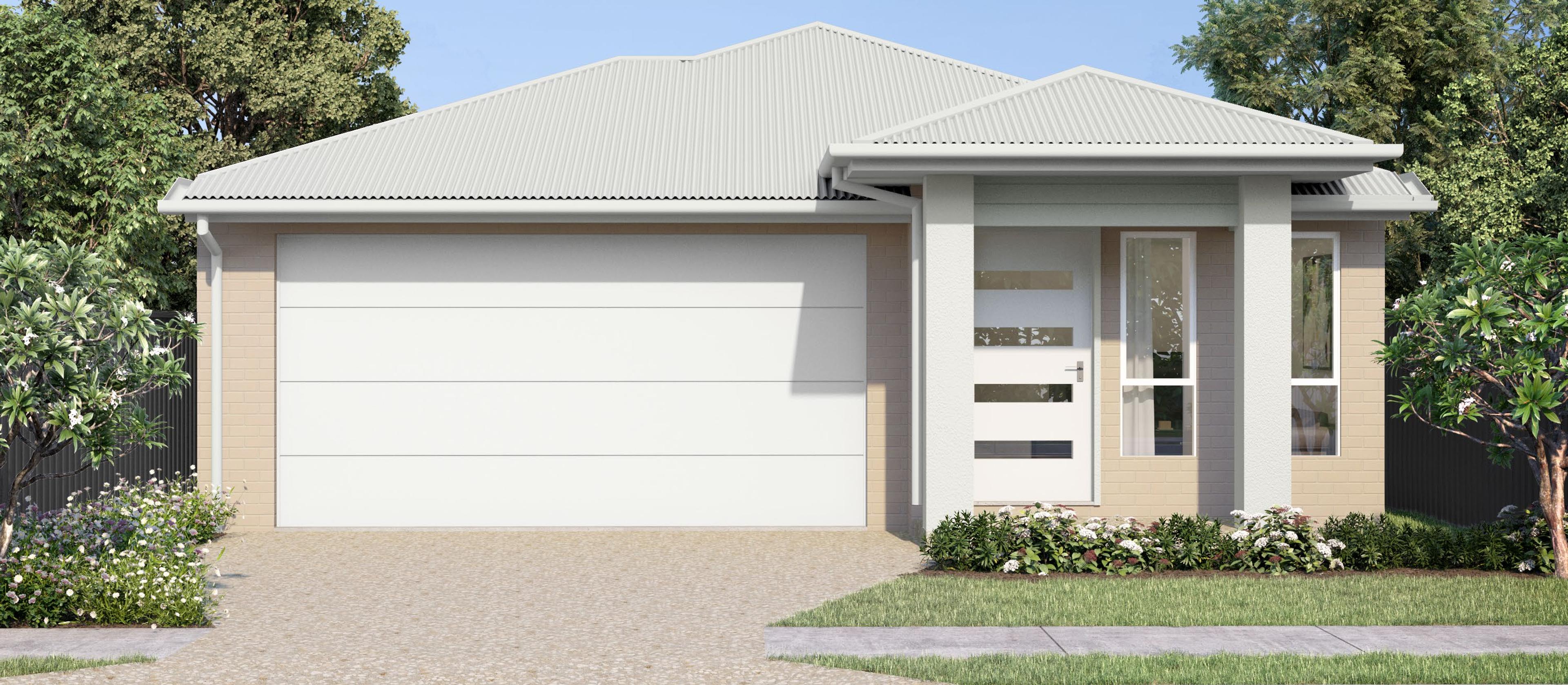
Golden Horizon
Bundaberg
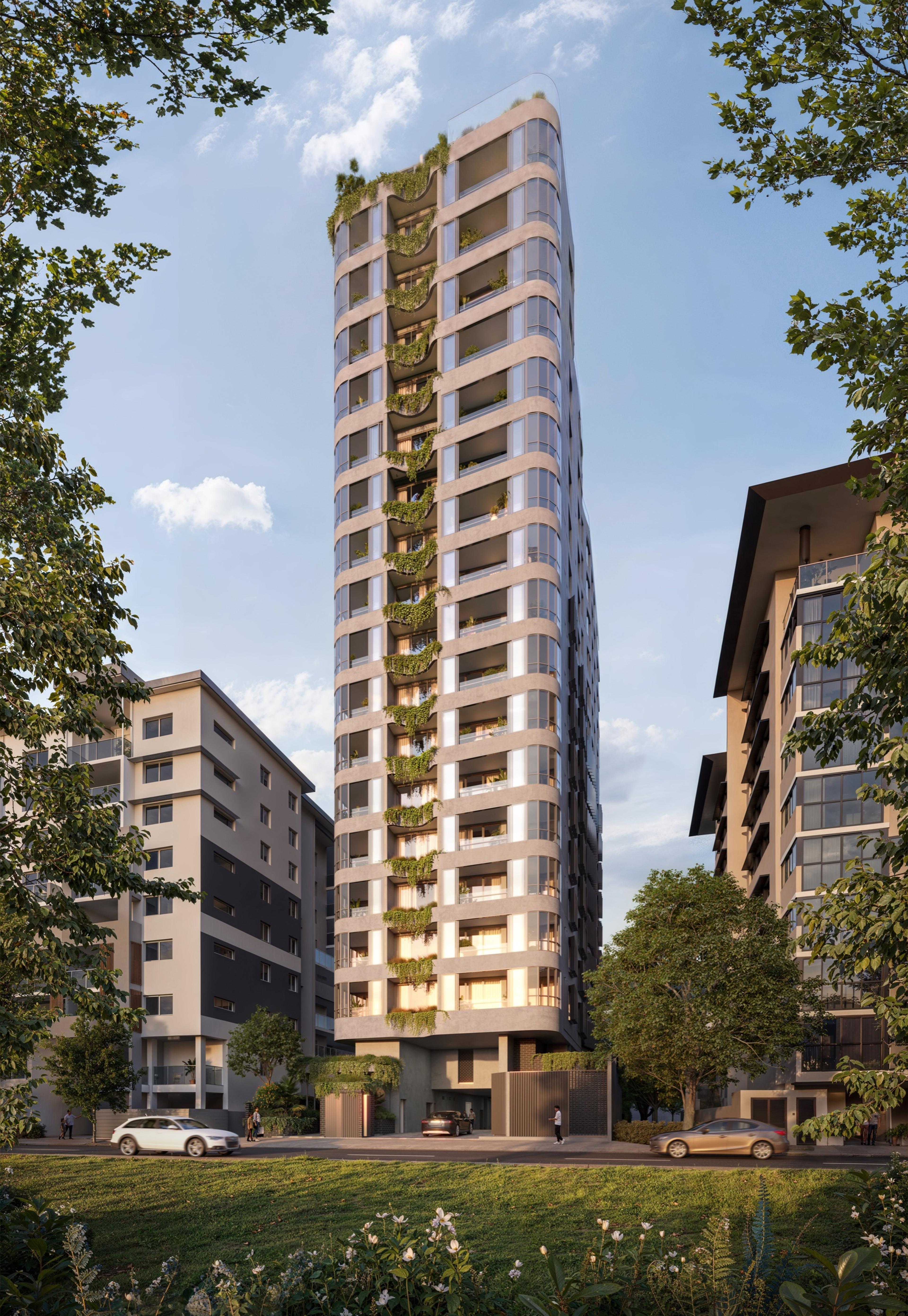
Vero
Woolloongabba, Brisbane
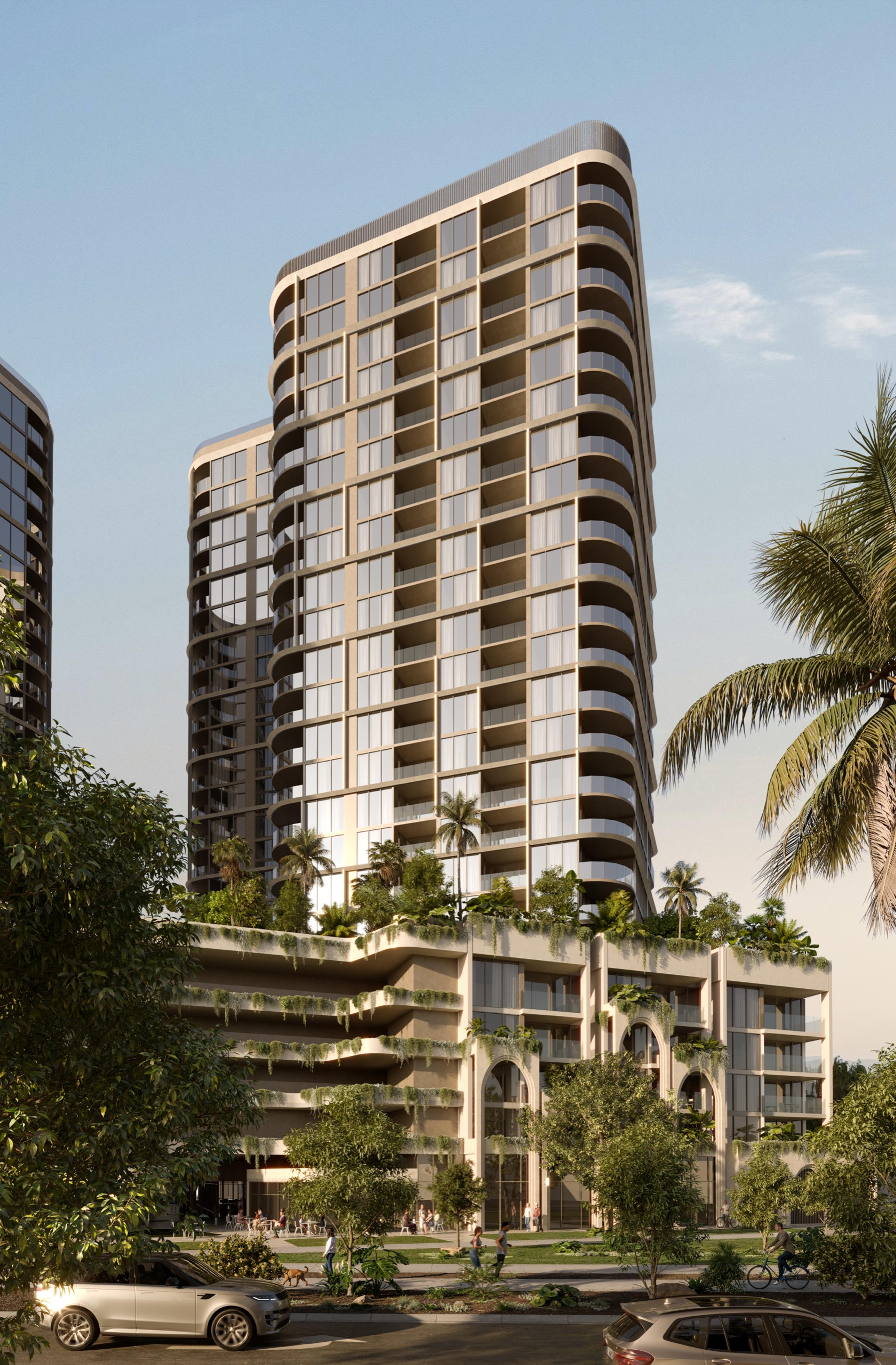
Duet Portside
Hamilton, Brisbane
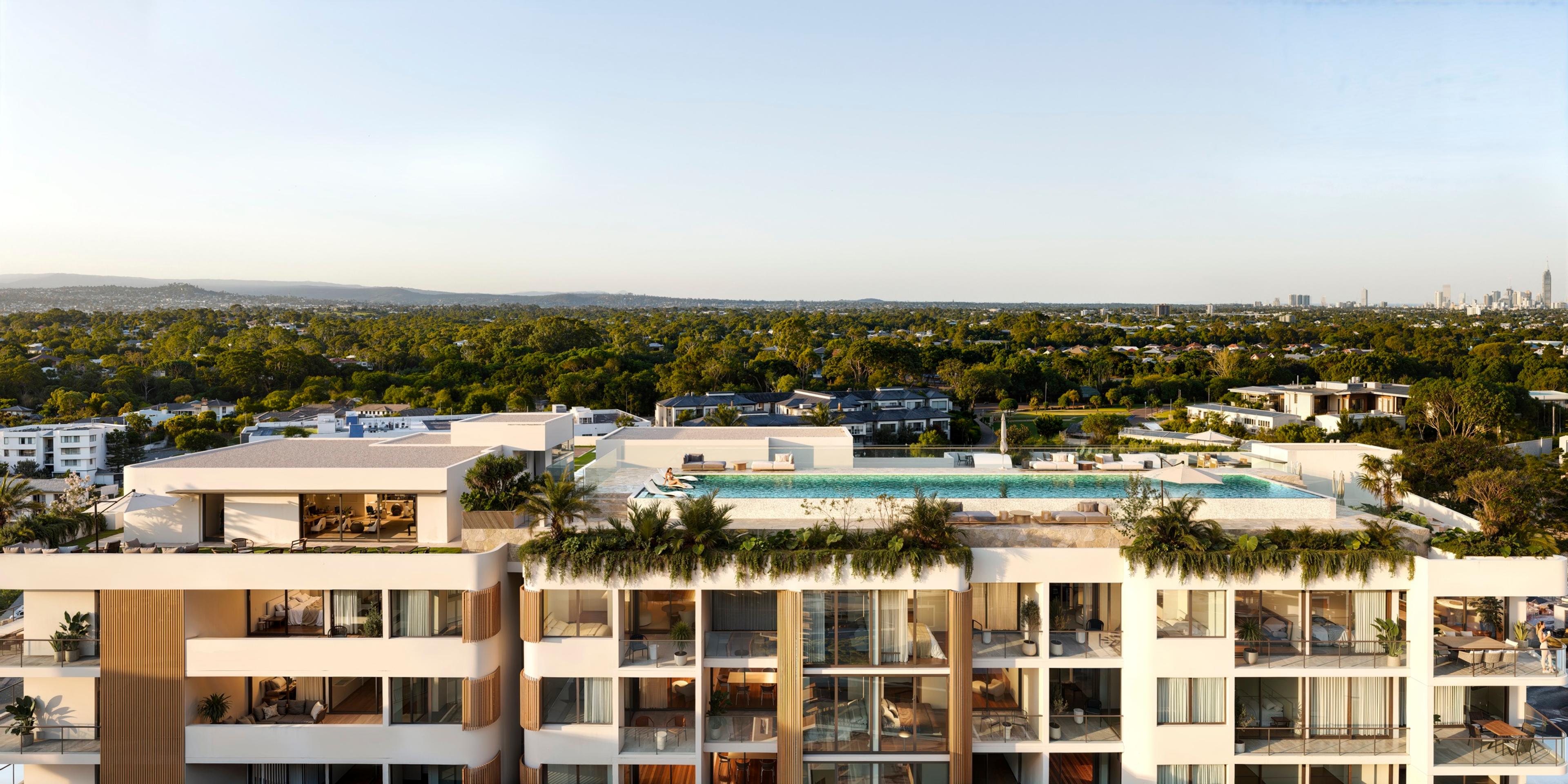
Como
Varsity Lakes, Gold Coast

Orama
Chevron Island, Gold Coast
Frequently Asked Questions
Why is stamp duty cheaper when building a new home?
In Queensland, transfer duty on a split contract package is assessed strictly on the vacant land value, not the building contract, saving buyers between $12,000 and $20,000 compared to established homes.
Do first home buyers pay stamp duty on vacant land in Queensland?
First home buyers pay zero transfer duty on vacant land parcels valued up to $350,000, with discounted concessional rates applying between $350,000 and $500,000.
When is stamp duty paid on a house and land package?
Duty on the land contract must be paid within 30 days of the contract becoming unconditional or at land title settlement, prior to construction commencement.
Does the building contract attract stamp duty?
No. Construction contracts for building services and materials are exempt from state transfer duty in Queensland.
Questions about this article?
For upcoming releases & further information

Jayden Barta
Director & Property Specialist
BARTA Property
Next article
QLD $30k First Home Grant: 2026 Rules
Read article
General Advice Warning: The information provided in this publication is for general educational commentary only and does not constitute financial, taxation, legal, or investment advice. BARTA Property is not an Australian Financial Services Licensee or registered tax agent. Readers must seek independent professional advice from a licensed financial adviser, qualified accountant, or legal practitioner tailored to their personal financial circumstances before making any investment or purchasing decisions. Property investment involves risks, including potential loss of capital.