In this article5 sections
Maximising Residential Cashflow with Dual-Key Architecture
In an environment of higher borrowing costs, property investors across Australia are increasingly targeting dual-occupancy and dual-key residences across South East Queensland. Unlike traditional single-dwelling houses, a dual-key home is purpose-engineered under a single roofline to function as two separate, fully self-contained rental properties.
Typically configured as a three-bedroom, two-bathroom primary residence paired with an attached one- or two-bedroom auxiliary unit, each dwelling features its own private front entrance, acoustic-insulated dividing party wall, dedicated culinary kitchen, separate laundry, sub-metered electricity, and private outdoor courtyard.
The Economic Advantages of Dual-Key Property
The primary advantage of dual-key property lies in cashflow generation and overhead efficiency:
- Dual Income Streams: A standard single four-bedroom home in corridors like Logan or Ipswich rents for approximately $780 to $820 per week. A dual-key configuration on the equivalent allotment can command $580 to $620 per week for the primary home plus $380 to $420 per week for the auxiliary unit, yielding a combined $960 to $1,040 per week.
- No Body Corporate Fees: Because the property remains titled on a single freehold parcel of land, owners pay zero strata levies or body corporate fees, preserving net operating cashflow.
- Single Council Rates: While utility consumption is sub-metered to individual tenants, the property incurs only one baseline local council general rating assessment.
- Vacancy Buffer: If one tenant vacates, the secondary dwelling continues to generate income, preventing total cashflow interruption during re-leasing periods.
Approved Masterplanned Corridors for Dual-Key Builds
Not every masterplanned estate permits auxiliary units. Local council town planning overlays (such as the Logan Planning Scheme and Ipswich Planning Scheme) and developer architectural covenants strictly govern where auxiliary dwellings can be established.
BARTA Property curates dual-key and dual-occupancy allocations in estates where council planning explicitly supports dual living, such as select stages within Flagstone, Yarrabilba, and South Ripley. Investors can search all dual-key and high-yield packages across our active estate stocklist.
Finance & Valuation Realities for Buyers
Lenders treat dual-key dwellings differently from standard houses. While most major Australian banks and specialist non-bank lenders fund dual-key properties under standard residential mortgage terms, some institutions place restrictions on loan-to-value ratios (LVR), typically capping borrowing at 80% to 90%.
Furthermore, because dual-key homes cannot be subdivided or sold off separately without formal council reconfiguration of a lot (ROL) approval and separate water metering, they must be held as single income-generating assets. For long-term wealth creators, the compelling gross yields of 6.0% to 6.8% make dual-key living one of Queensland's highest-performing residential asset classes.
Current opportunities
Aire Living
Lilywood
The Hills Collection
Glenvale
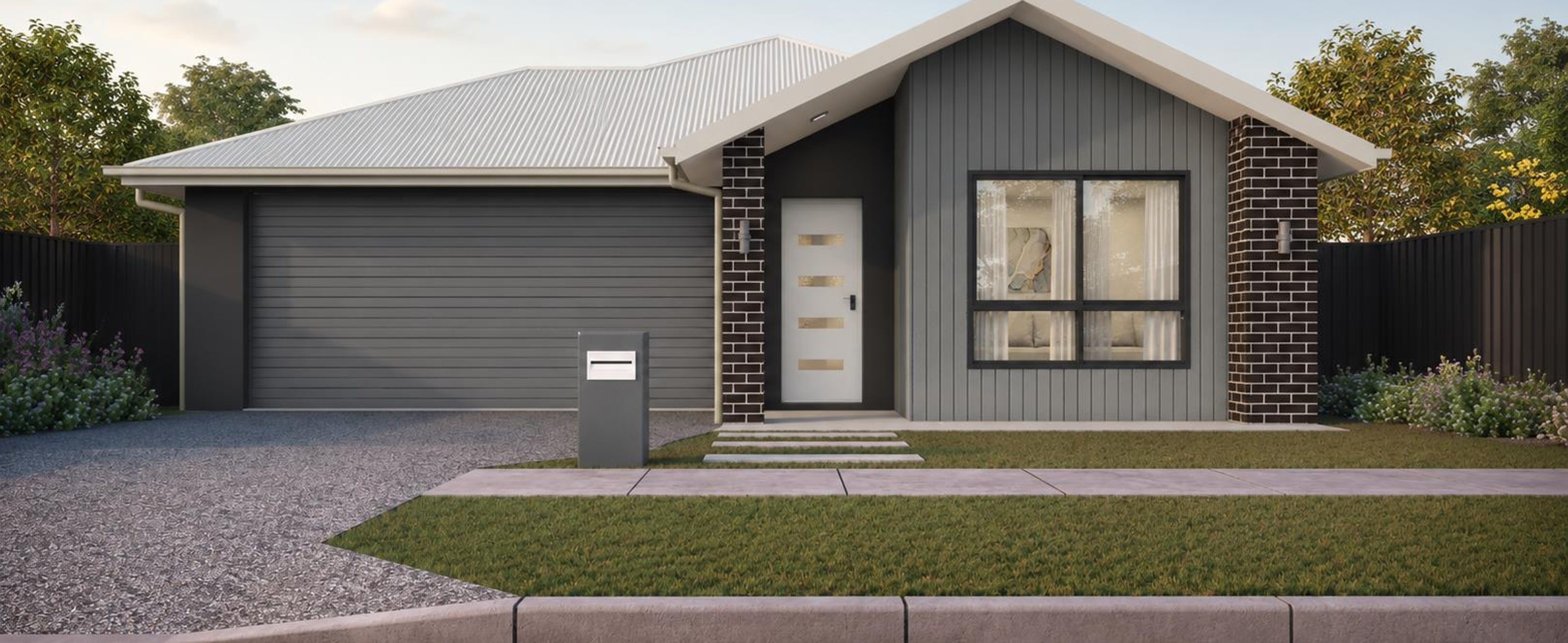
Botanic
Woolmer
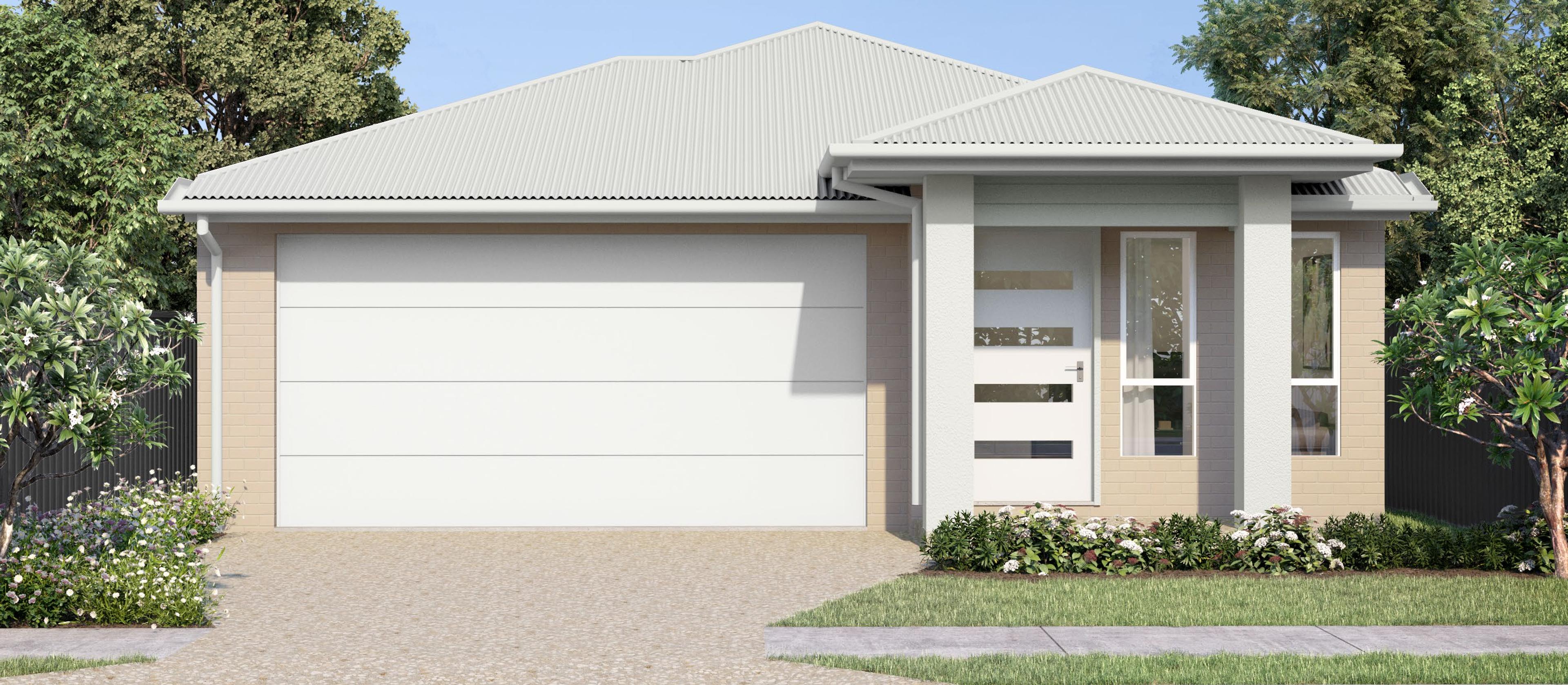
Golden Horizon
Bundaberg
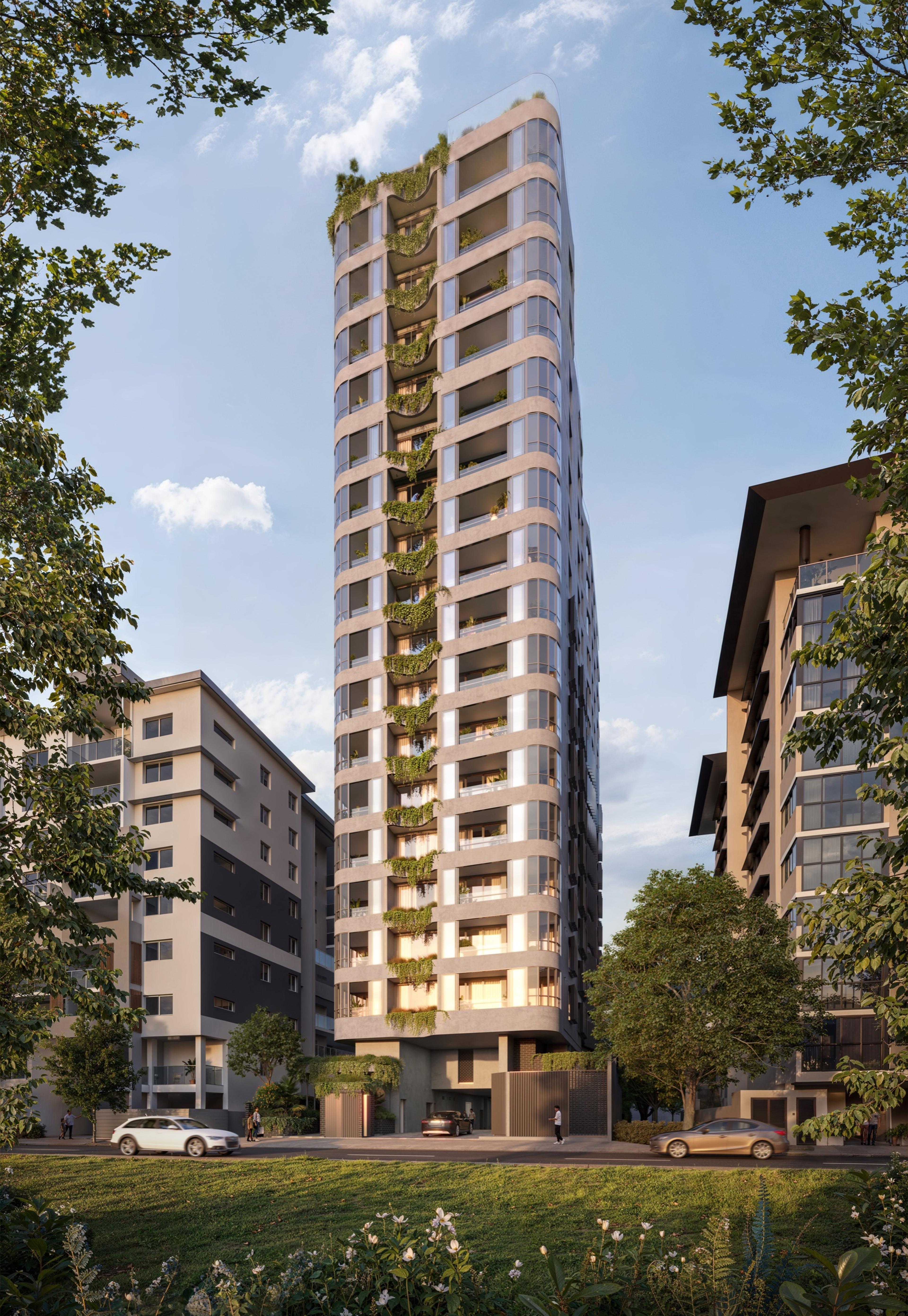
Vero
Woolloongabba, Brisbane
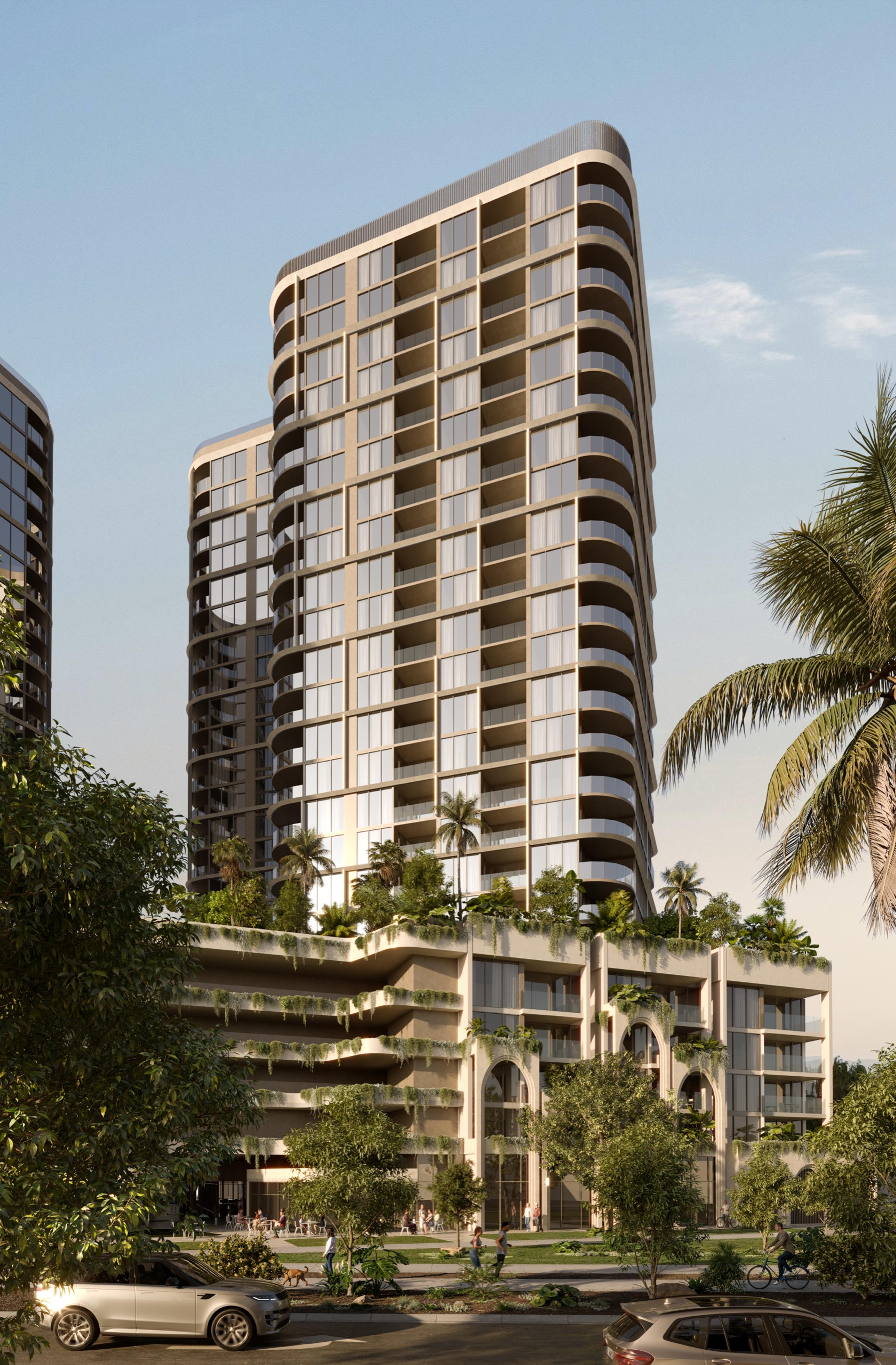
Duet Portside
Hamilton, Brisbane
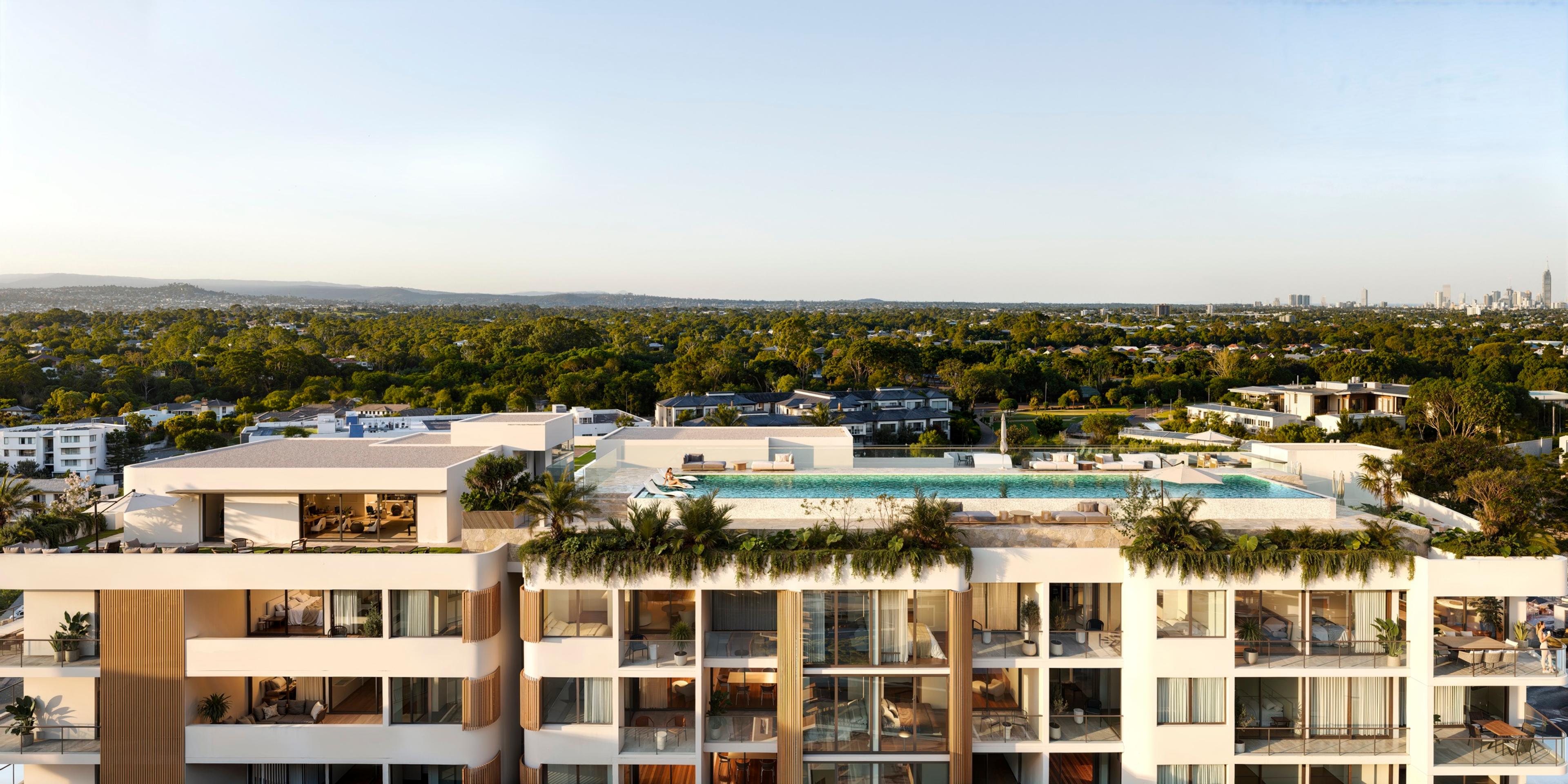
Como
Varsity Lakes, Gold Coast
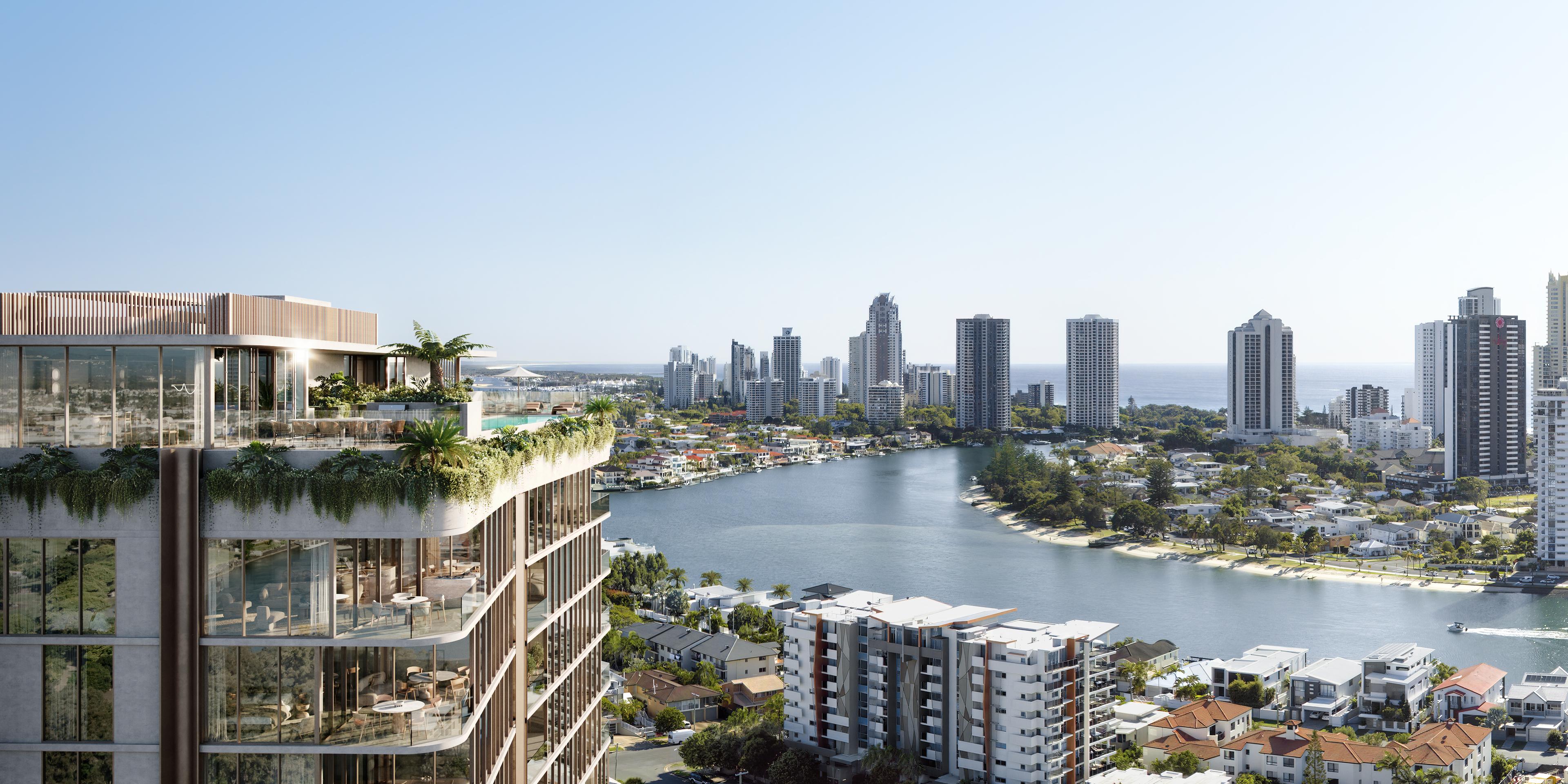
Orama
Chevron Island, Gold Coast
Frequently Asked Questions
What is the difference between a duplex and a dual-key home?
A duplex consists of two separate adjoining dwellings that can be strata-titled and sold independently. A dual-key home is on a single title with two self-contained living areas that cannot be sold separately without council reconfiguration.
Do dual-key properties have separate electricity and water metres?
Yes. Modern turnkey dual-key homes feature separate electricity sub-metres and private water metres so utility charges can be invoiced directly to individual tenants according to consumption.
What is the average gross rental yield on a dual-key build?
Dual-key packages across South East Queensland typically generate gross yields between 6.0% and 6.8%, commanding combined rents of $960 to $1,040 per week.
Are dual-key properties subject to body corporate fees?
No. Dual-key homes are built on standard freehold residential allotments with zero strata management or body corporate fees, maximising net investment returns.
Questions about this article?
For upcoming releases & further information

Jayden Barta
Director & Property Specialist
BARTA Property
Next article
SMSF Property: Queensland Guide 2026
Read article
General Advice Warning: The information provided in this publication is for general educational commentary only and does not constitute financial, taxation, legal, or investment advice. BARTA Property is not an Australian Financial Services Licensee or registered tax agent. Readers must seek independent professional advice from a licensed financial adviser, qualified accountant, or legal practitioner tailored to their personal financial circumstances before making any investment or purchasing decisions. Property investment involves risks, including potential loss of capital.